Insights from Science Simplified: Air Quality in Your Home
Is Indoor Air Quality Affecting Allergies, Breathing, Headaches, or Focus?
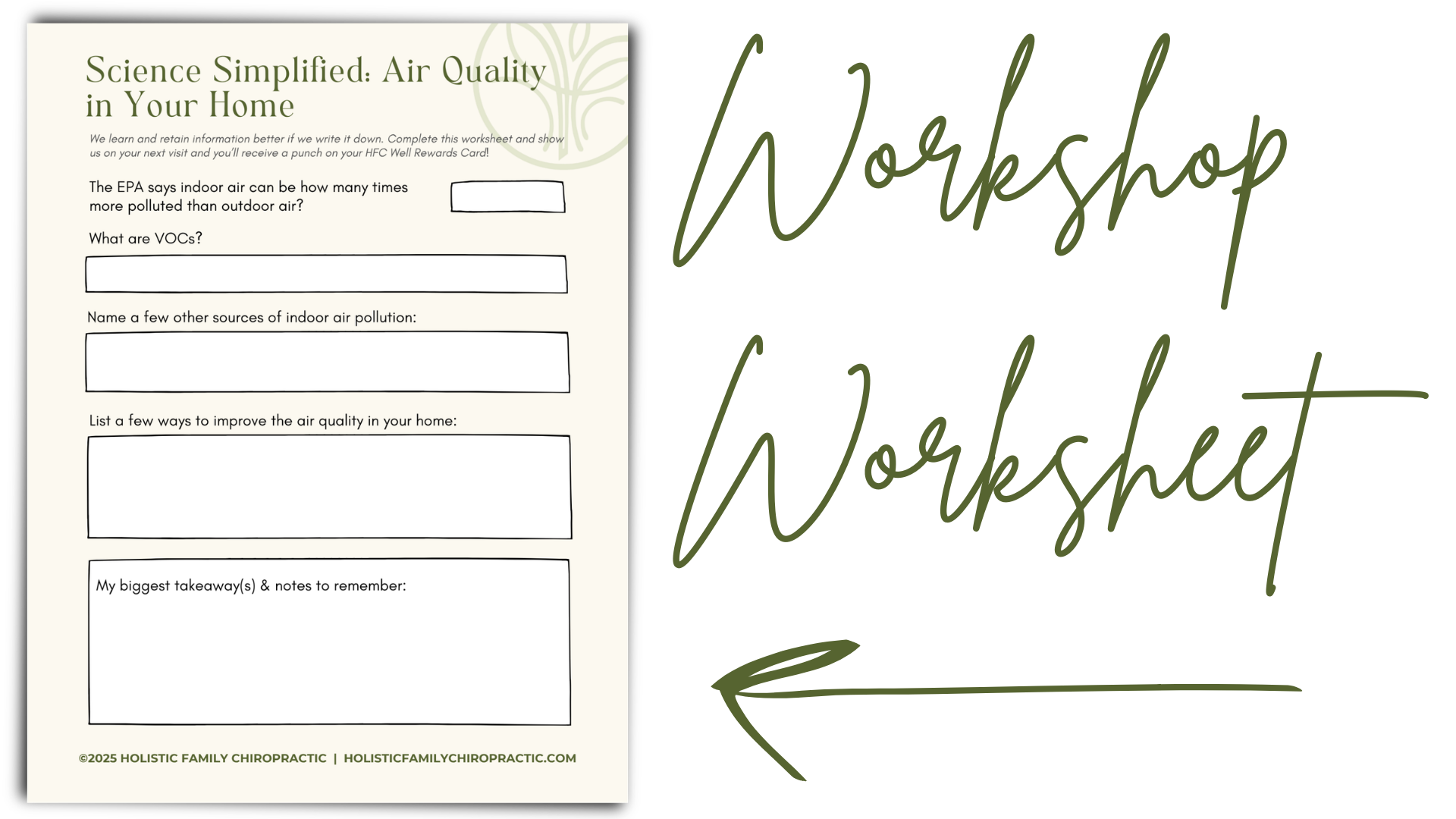
Science Simplified: Air Quality in Your Home Workshop Worksheet
With the arrival of spring, we often think about refreshing our lives, from our wardrobes to our gardens. But while we focus on the world blooming outside, it’s the perfect time to look at the air we’re breathing inside.
According to the EPA, indoor air can be up to five times more polluted than outdoor air. Surprising, right?
What’s Really Floating Around in Your Home’s Air?
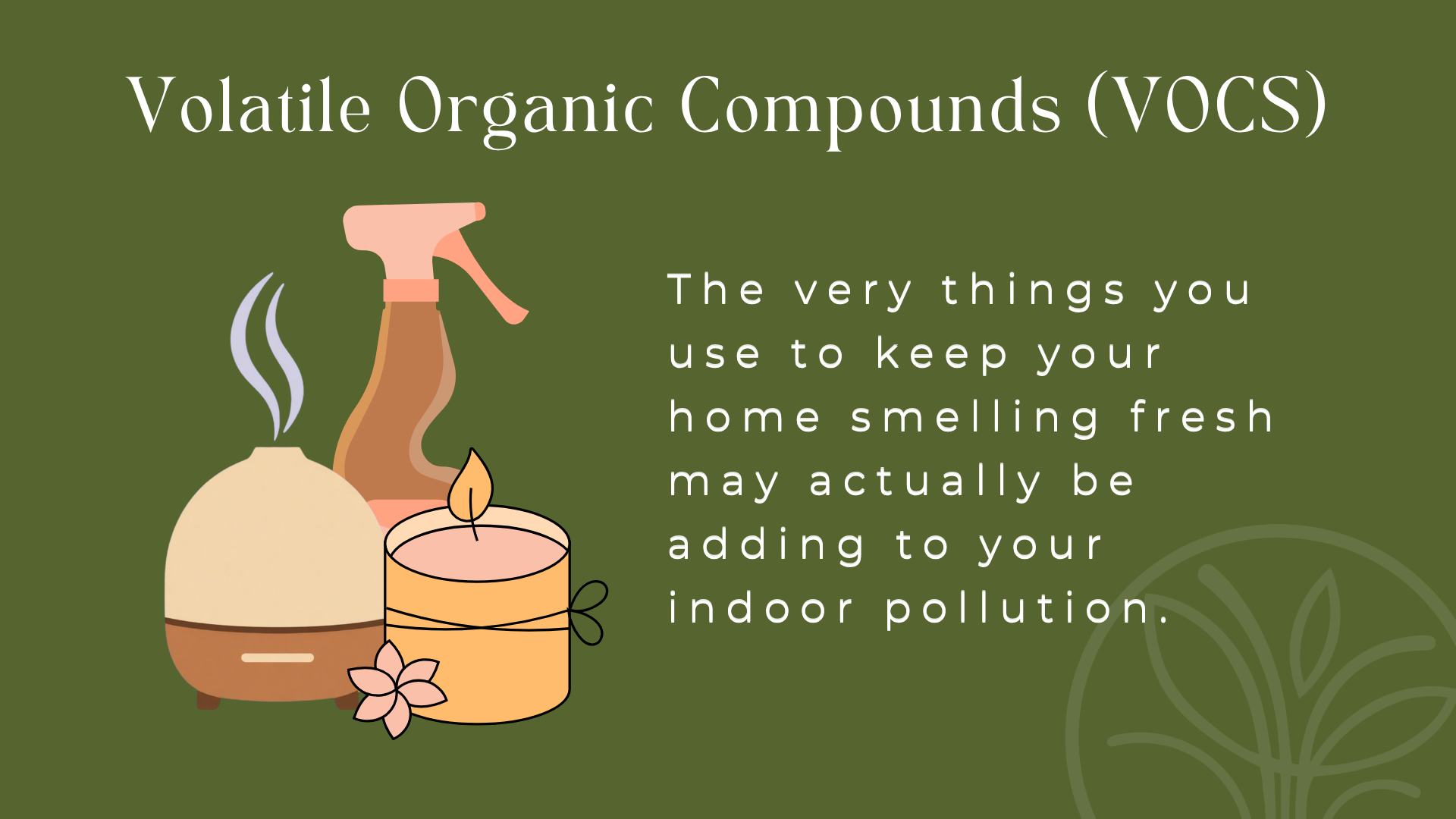
You might think your home’s air is clean because it smells fresh, thanks to air fresheners or scented candles. But here's the kicker: those very products could be adding to the pollution. Volatile Organic Compounds (VOCs) from cleaning products, furniture, and even candles can turn your home into a silent threat. Dust mites, mold spores, and pet dander further contribute to this hidden pollution.
A personal family story often comes to mind: multiple cats in the same household developed nasal cancer in an environment heavily scented with air fresheners. While it’s not scientifically proven, the intense chemical smells from air fresheners might have played a role.
Often, scent is the clue that chemicals are present, not proof that the air is healthier.
How Can Poor Air Quality Affect the Body?
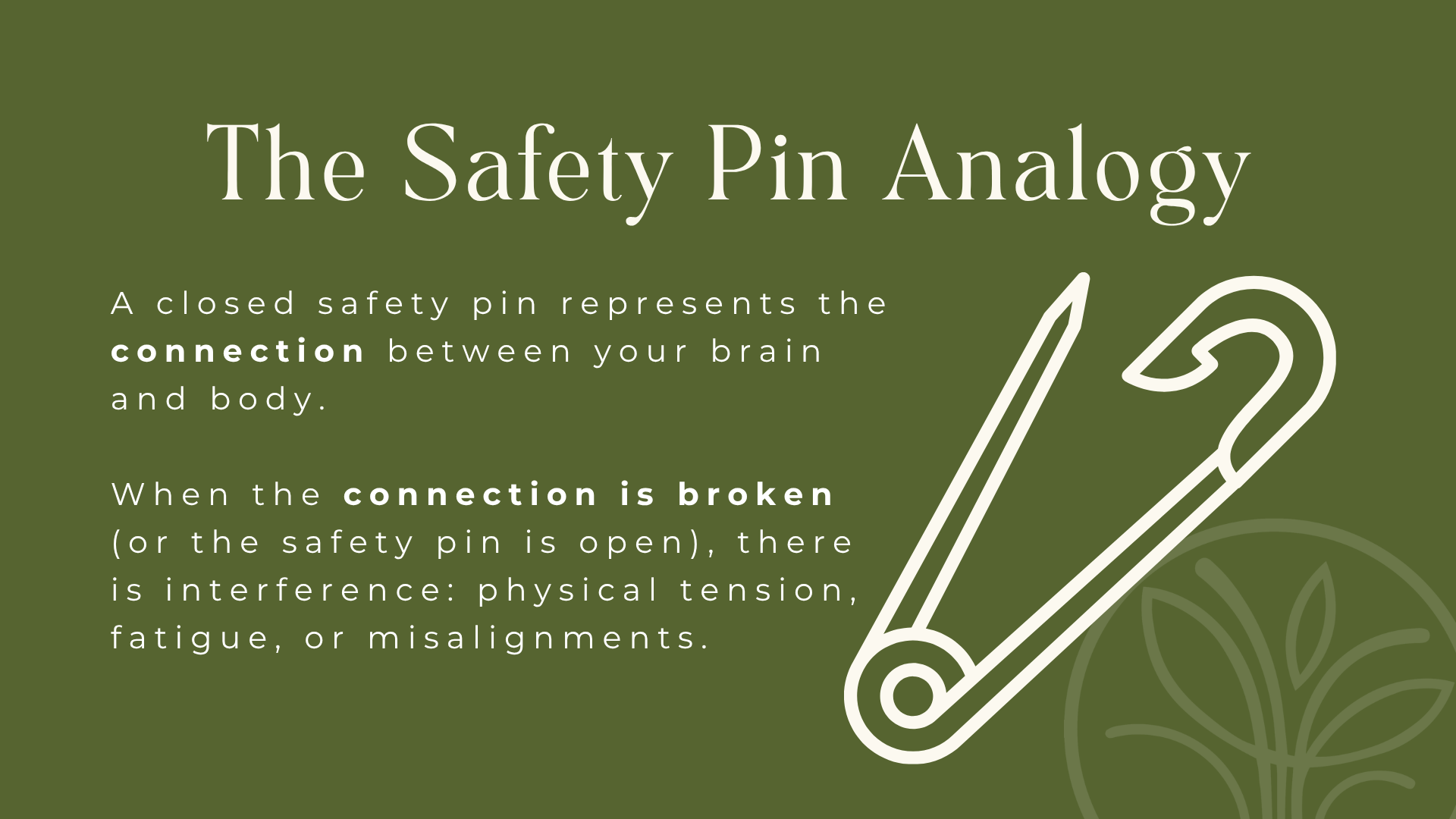
Chemical exposure and seasonal allergens do more than just make you sneeze; they add 'static' to the conversation between your brain and your body. We often describe this as the Safety Pin Cycle.
Think of a safety pin as a simple map of your health. When the pin is closed, you have this ideal loop of communication; your brain and body are fully connected, allowing your system to coordinate healing and function exactly as it was designed to. However, when environmental stressors like poor air quality pile up, they can 'unclasp' that connection. An open pin means there is interference in the signal, which often shows up as physical tension, fatigue, or misalignments. By clearing that static and addressing the disconnect, we help 'close the pin,' restoring the clear communication your body needs to thrive from the inside out.
Here’s a brief video we recently posted to give you a better visual!
Practical Ways to Improve Indoor Air Quality
Open your windows. Even in winter, a quick 10-15 minute window opening can flush out indoor pollutants and refresh your air.
Leave shoes at the door. This simple habit prevents tracking in dust, pollen, and other toxins.
Vacuum and dust regularly. Keep those dust mites and allergens at bay with regular cleaning.
Use natural cleaners. Vinegar, water, and essential oils make effective, non-toxic cleaning solutions.
Limit candles and incense. Opt for soy-based candles that burn cleaner and reduce the number of pollutants in your air.
Shake out rugs and cushions. An old-school habit that’s great for releasing dust and allergens.
Can Air Purifiers Help?
One tool we often recommend is the My Triad Air purifier, which uses a three-part approach to support cleaner indoor air. It works by adding electrons to the air, using ozone in controlled, low amounts, and relying on a purification plate to help reduce allergens, mold, and microscopic particles.
☞ Learn more about My Triad Air.
Like any supportive tool, it works best as part of a balanced approach; clean air habits matter just as much, and more isn’t always better.
How This Matters For Long-Term Wellness
Every day, your body is adapting to its environment. Cleaner air lowers one more stressor your nervous system has to manage. Over time, that support adds up.
Improving indoor air quality isn’t about fear or chasing perfection. It’s about stacking small wins so your body has more capacity to heal, adapt, and function well, day in and day out.
If it’s been over 30 days since your last adjustment, it might be time to schedule your next appointment. Let’s keep that safety pin cycle intact and ensure your body and brain are communicating effectively!