
Key Insights from Chiro 101: Sports & Injuries
How does chiropractic care support athletic performance, recovery, and injury prevention?
Chiro 101: Sports & Injuries Worksheet
When your brain and body communicate clearly, everything moves better. Muscles fire when they should. Joints move the way they’re designed to. Recovery feels smoother instead of stalled. Chiropractic care focuses on keeping that communication clear, especially for active bodies that ask a lot of themselves.
Think of it like a group chat between your brain, spine, and muscles. When messages come through loud and clear, everyone stays on the same page. When they don’t, things get glitchy fast.
How Your Body Actually Heals Itself
Your body already has the tools it needs to heal. Stem cells play a role in repair and regeneration, but they rely on good direction from the nervous system.
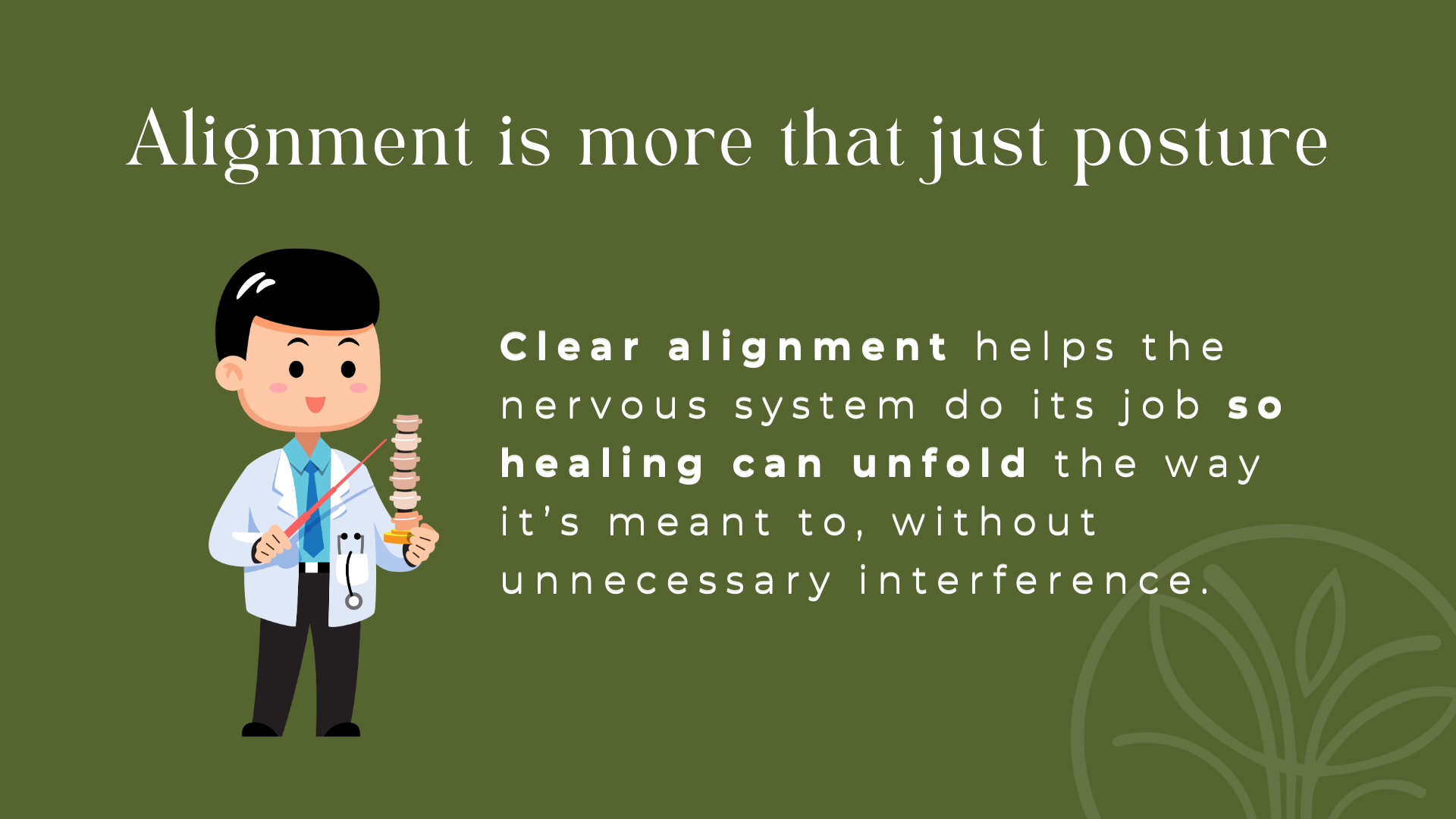
If the signal from the brain is fuzzy, the body may not respond as efficiently. Clear alignment helps the nervous system do its job so healing can unfold the way it’s meant to, without unnecessary interference.
Why Alignment Matters More Than You Think
Alignment isn’t about standing up perfectly straight all the time. It’s about how well your joints and spine move together under real-life stress.
Small misalignments can change how forces move through the body. Over time, that can mean extra strain on muscles, joints, or connective tissue. It’s similar to riding a bike with a slightly bent wheel. You might still get where you’re going, but everything works harder than it should.
Subluxations: The Quiet Disruptors
Many people develop their first spinal misalignment early in life, often without pain. That’s why they’re easy to miss.
Subluxations interrupt how the nervous system communicates with the rest of the body. At first, you may not notice much. Over time, the body starts compensating, and those workarounds can show up as stiffness, imbalance, or recurring injuries.
Why Prevention Matters for Active Families
Waiting for pain to show up is like waiting for the check engine light after months of strange noises. By the time it’s obvious, the issue has often been there for a while.
Regular check-ins help spot patterns early, especially for kids in sports or adults who train hard, sit a lot, or do repetitive work. It’s about staying ahead of stress instead of chasing it later.
Simple Ways to Notice Early Signs
You don’t need fancy equipment to spot potential issues. A few everyday clues can tell you a lot.
Check shoe wear. Look at the soles of your shoes. Uneven wear may suggest your body’s loading weight unevenly. That can point to imbalance higher up the chain. Ask us about Foot Levelers at your next appointment.
Compare flexibility side to side. Notice if one hip, shoulder, or hamstring consistently feels tighter. Patterns matter more than one stiff day.
Pay attention to recurring soreness. If the same spots keep acting up after activity, your body may be compensating for something deeper.
These signs don’t diagnose anything, but they can signal it’s worth taking a closer look.
Supporting Recovery After an Injury
After an injury, the body adapts fast. Sometimes those adaptations linger longer than they should. Chiropractic care focuses on restoring proper movement so the body can heal without building in new compensation patterns.
Think of it as resetting the route before traffic learns a bad detour.
Staying Active for the Long Run
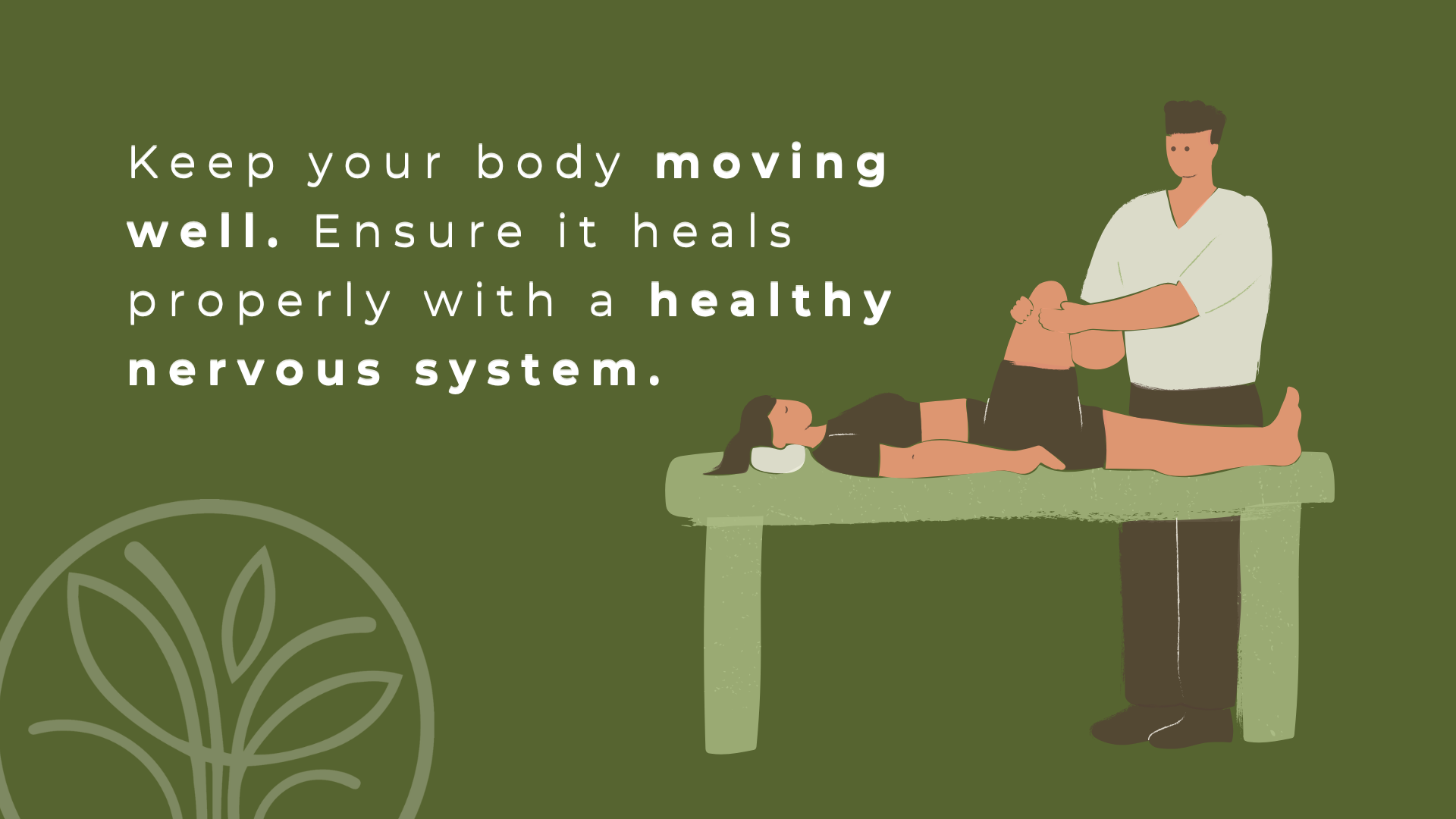
Movement is a big part of staying well, but how you move matters just as much as how often. Whether you’re training, chasing kids, or just trying to feel better in your body, keeping your nervous system supported helps everything work together more smoothly.
In other words, you’re the coach, calling the shots and setting the pace. Chiropractic care is more like the water break on the sidelines: steady support that helps keep everything hydrated, responsive, and ready to move when life throws things off rhythm. Now that’s what I call high-quality H2O. (The Waterboy, 1998–anyone?)
We’re on your team, there when you need support, focused on the whole season, not just one play.