Wisdom from Move Well: What is Progressive Muscle Relaxation?
Flexing Your Calm: How to Integrate Progressive Muscle Relaxation for Stress Relief
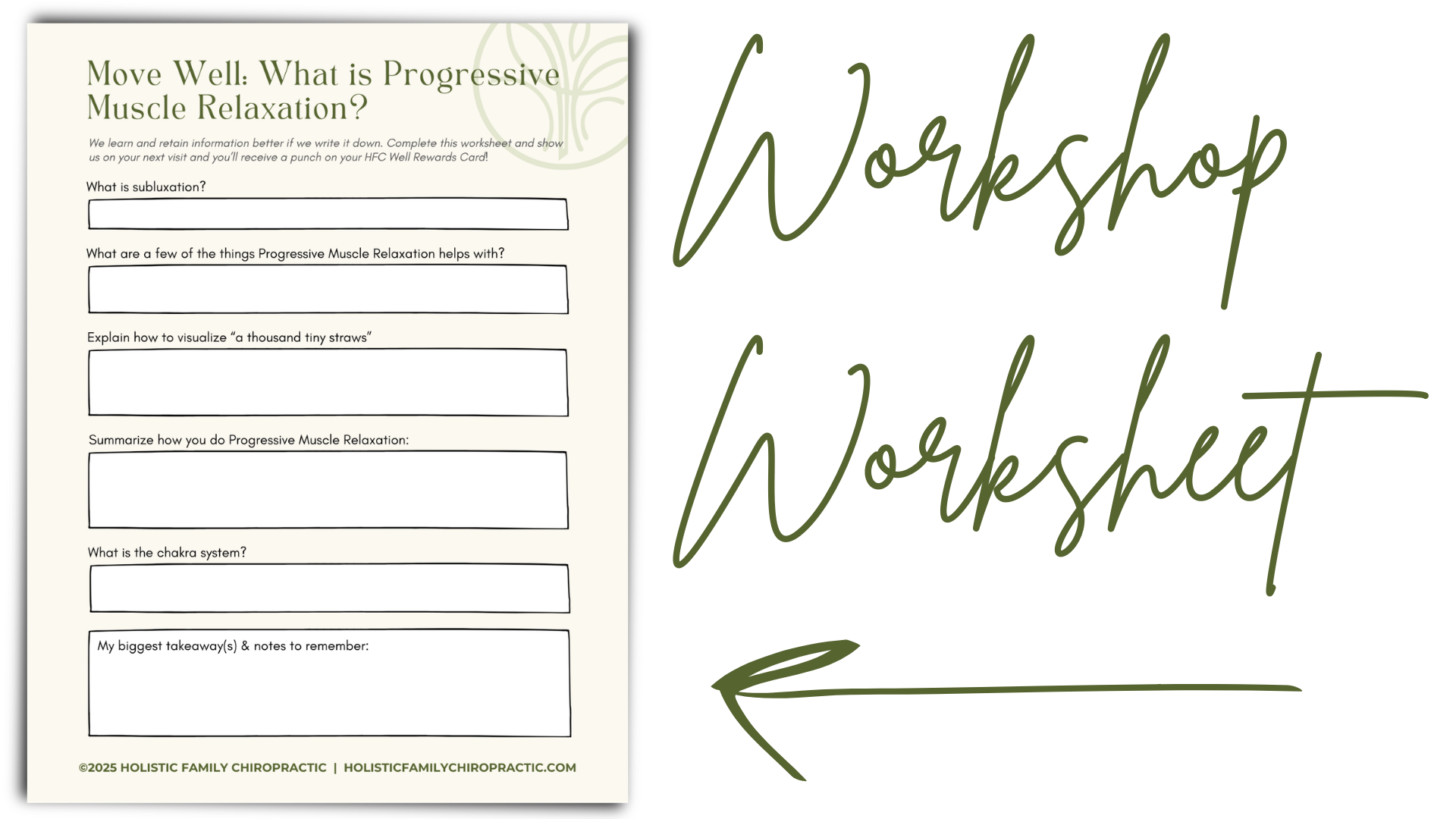
Move Well: What is Progressive Muscle Relaxation Workshop Worksheet
Our bodies have a funny way of holding onto things long after the moment has passed. Don’t they? That’s why stress doesn’t always feel loud. Sometimes it feels like holding our breath without noticing.
When we hold all of that tension in our bodies without realizing it, it slowly begins to take a toll on our whole self (the physical, mental, and emotional parts).
But what if there was a simple way to release that tension and increase well-being? Enter: Progressive Muscle Relaxation (PMR), a technique that can help you tune into your body, reduce stress, and enhance your overall health.
How Subluxation Affects the Nervous System
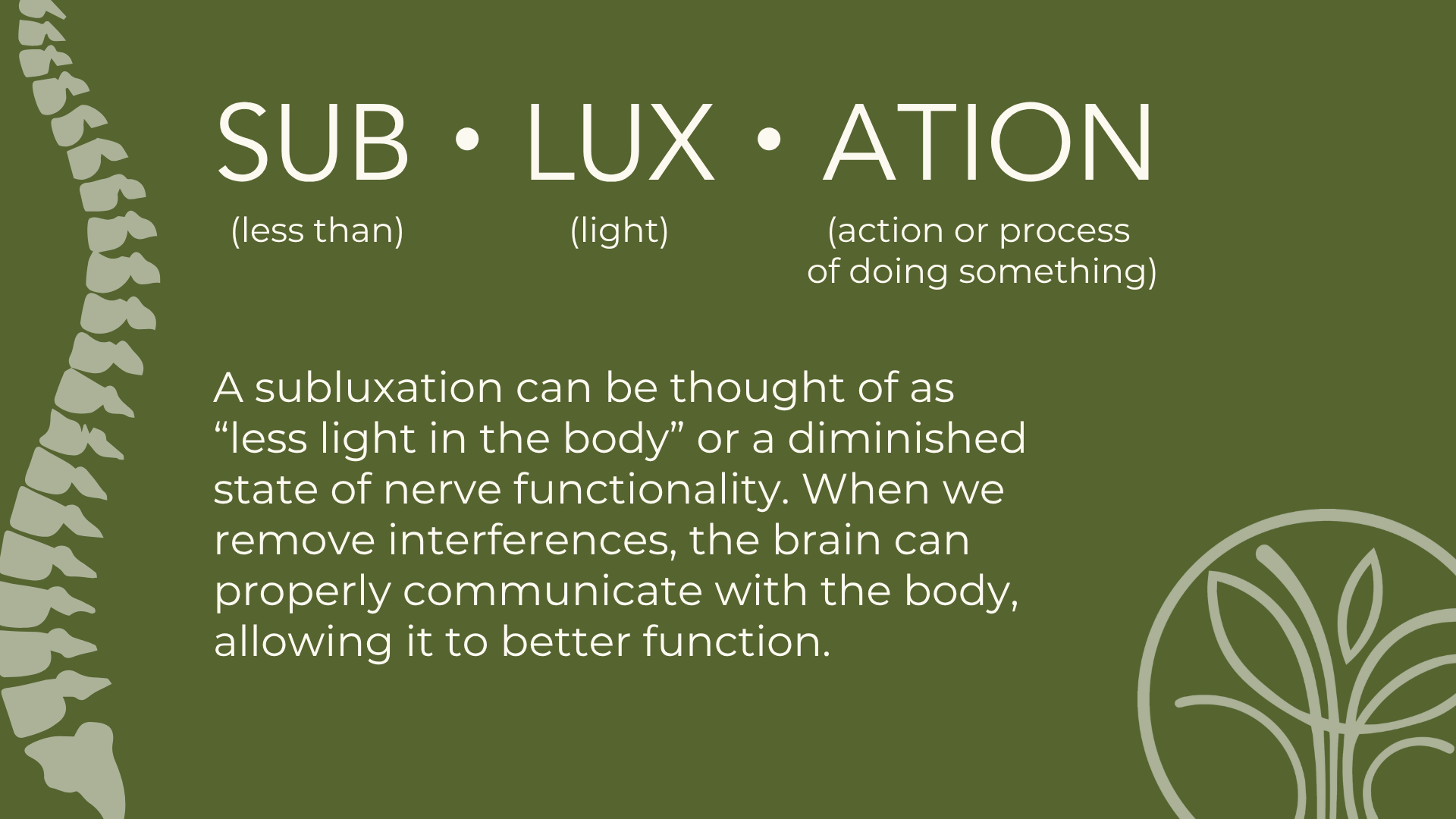
The body communicates through the nervous system sending light and electrical signals from the brain to the body. When that communication is disrupted, it’s known as subluxation, literally meaning “less light.”
This disruption often shows up as muscle tension, restricted motion, or a constant state of stress that many people come to accept as normal. While common, it isn’t healthy. Practices like PMR help restore awareness, encourage relaxation, and support clearer communication within the nervous system.
The Science Behind Progressive Muscle Relaxation
PMR isn’t just about slowing down; it’s about retraining the nervous system to recognize the difference between tension and ease. (In other words, calm is a skill.)
Research shows PMR can help shift the body into a more restorative state, supporting better sleep, improved mental clarity, and overall regulation. Intentionally contracting and releasing muscle groups increases body awareness and encourages serotonin release, helping calm both mind and body.
How to Practice Progressive Muscle Relaxation
PMR doesn’t require special tools or long sessions, just a few quiet moments and intentional breaths. Here are some simple steps so that you can begin practicing:
Start with a body scan: Before you even open your eyes in the morning, lie quietly and gently breathe. Imagine a scanner moving from your feet to your head, checking for tension, stress, or pain.
Focus on your feet: Spread your toes wide or clench them gently. As you do, breathe in deeply, imagining light filling your feet. Hold the tension for a few seconds, then release it as you exhale.
Move up the body: Progressively work through each muscle group (that means calves, quads, hands, forearms, biceps, and shoulders). For each area, contract the muscles, breathe in light, hold, and then release.
Engage the chakras: Focus on your energy centers, or chakras, in the body. For the root chakra, gently engage the pelvic floor while imagining light traveling down the spine. For the solar plexus, picture a tight knot slowly expanding and softening with each breath.
Release the throat chakra: Try the "Darth Vader" breath by contracting your throat and slowly breathing out a “haw”. This is helpful in releasing pent-up energy.
We also talk you through it more in this video.
Why PMR Matters for Your Health
When practiced consistently, PMR supports healthy nervous system communication and reduces the buildup that can contribute to subluxation. It’s a practical way to actively participate in personal wellness, which over time builds resilience, awareness, and balance.
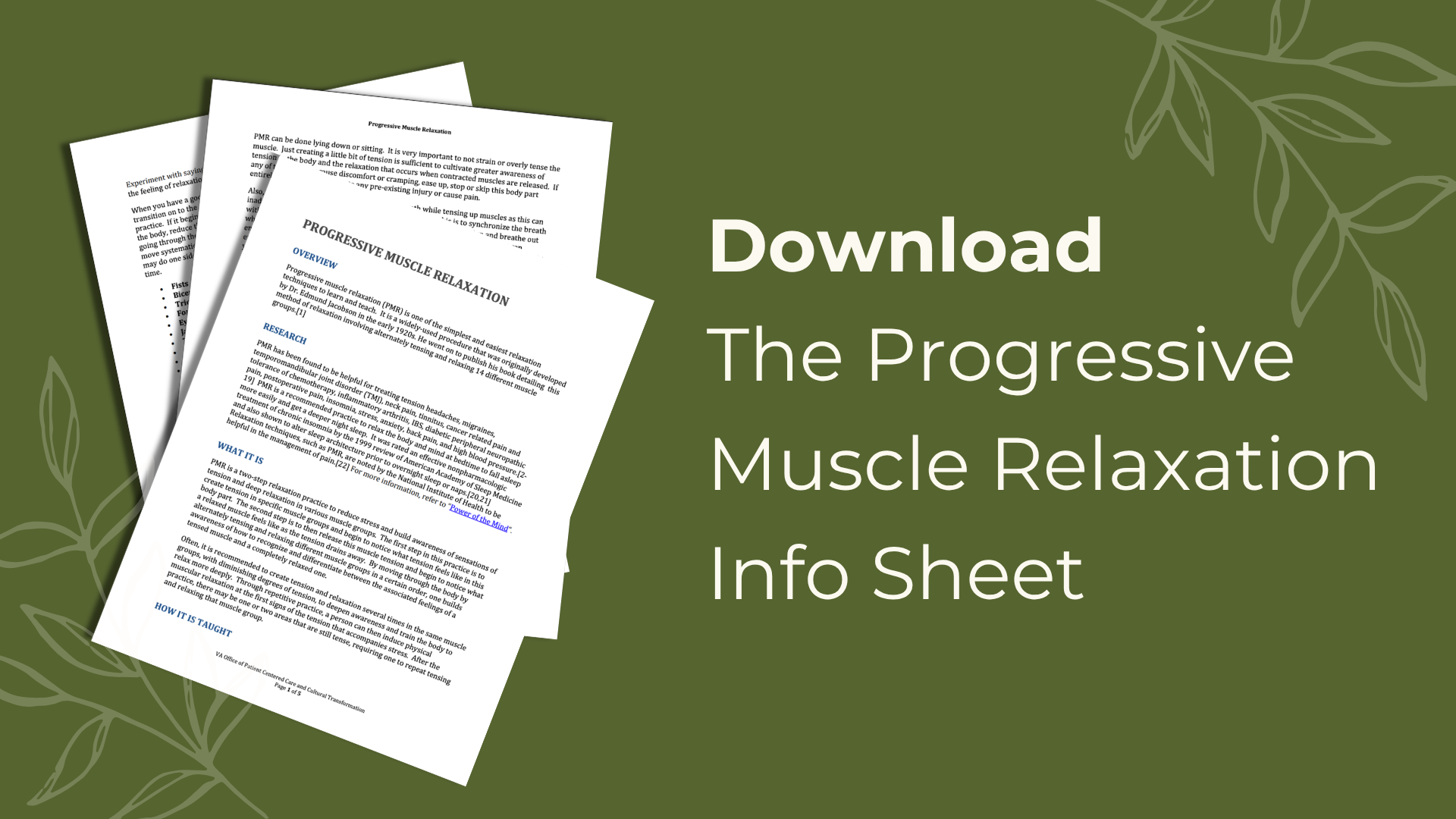
☞ Learn more about PMR here.
Incorporating PMR into your simple daily habits can make a meaningful difference. When paired with regular chiropractic care, it helps keep the nervous system clear and the body moving as designed.
Since the nervous system can hold an adjustment for several weeks, checking in at the 30-day mark between adjustments keeps progress moving forward.