
Wisdom from Eat Well: How to Know When Your Body Has Inflammation
Chronic inflammation is behind nearly every major disease of aging, and your body is already sending you signals that it needs help.
Most people think of inflammation as something that happens when they twist an ankle or get a cut. Redness, swelling, warmth, pain, and then it goes away. That kind of inflammation is actually doing exactly what it should.
The problem is a different kind of inflammation entirely: the slow, silent, systemic kind that builds over months and years, quietly driving some of the most common and costly health conditions in the modern world.
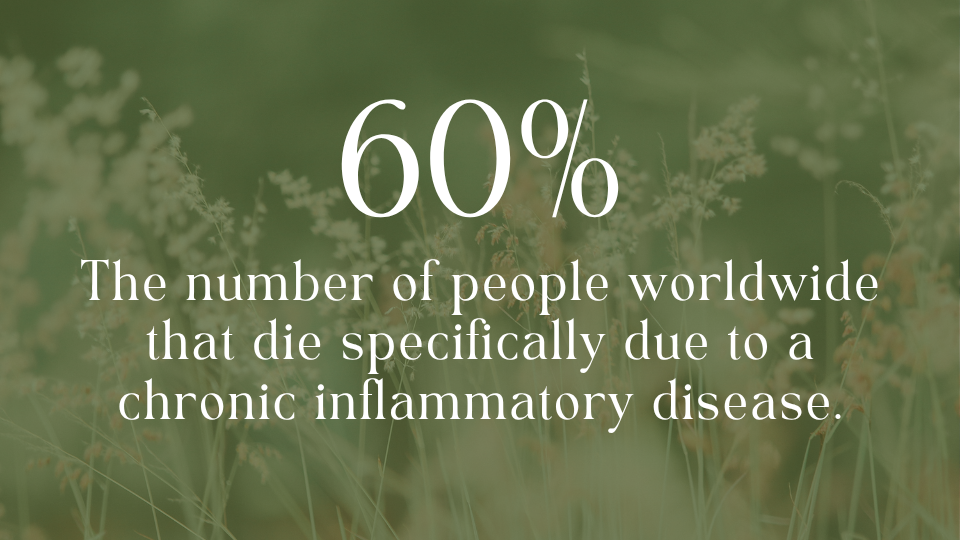
Over 60% of all deaths globally are linked to chronic inflammatory disease. That number is staggering, and it matters, because chronic inflammation is not inevitable. It is largely driven by lifestyle factors that can be identified and changed. The first step is learning to recognize what your body is already telling you.
Understand that inflammation is not always the enemy
Inflammation is your body's natural defense mechanism.
When you are injured, infected, or exposed to something harmful, your immune system triggers an inflammatory response to protect you. That process sends healing chemicals and stem cells to the affected area, causes redness and swelling, and works to wall off, neutralize, and remove whatever is causing the problem. Without it, wounds would not heal, and infections would go unchecked.
So, inflammation itself is not the problem. The question is always whether it is acute and purposeful or chronic and uncontrolled.
Acute inflammation is short-term. It shows up, does its job, and resolves.
Chronic inflammation is different. It is what happens when that same protective response stays switched on, never fully resolving, quietly damaging cells and tissues over time.
When the immune system is chronically activated, it shifts out of balance, and that imbalance is at the root of conditions like type 2 diabetes, heart disease, autoimmune disorders, digestive disease, and more.
The encouraging reality is that research shows addressing four major lifestyle factors–diet, exercise, not smoking, and not drinking excessively–can reduce type 2 diabetes in 90% of patients to the point where medication is no longer needed. The same principles broadly apply to chronic inflammation. The body has a remarkable capacity to heal when the conditions support it.

Learn to read the signals your body is already sending you
Your body communicates constantly. The challenge is that modern medicine has become very effective at helping us silence those signals rather than interpret them. Pain relievers, stronger medications, injections, and surgeries all have their place in acute and emergency care. But they are not designed to resolve chronic inflammation. In many cases, they can add to the burden over time.
Acute inflammatory symptoms are relatively easy to identify: flushed or reddened skin, localized swelling, warmth, mild pain or tenderness, and reduced range of motion. These are signs the body is actively responding to something. If redness is spreading outward from a wound or infection site, that is a sign the response is not being contained and warrants medical attention.
Chronic inflammatory symptoms are subtler and more varied, and that is exactly what makes them easy to overlook or attribute to aging, stress, or just feeling run down.
Here are some of the most common signs of chronic inflammation to watch for:
Digestive problems are among the most widespread. Bloating, gas, abdominal discomfort, irregular bowel patterns, and gut issues of all kinds are frequently rooted in systemic inflammation and a compromised gut lining.
Fatigue and insomnia often show up together. People describe feeling wired but tired, unable to sleep deeply despite feeling exhausted. This pattern is closely tied to cortisol dysregulation. The adrenal glands, which manage the body's stress response, are designed to handle short-term demands. When stress becomes chronic, cortisol stays elevated, which blocks deep sleep, which creates more inflammation, which taxes the adrenal glands further. It is a cycle that sustains itself.
Joint pain and morning stiffness are reliable indicators of elevated inflammation and acidity in the body. A simple self-test: make a fist before you go to bed. In the morning, try to make that same fist again. If it feels stiff, difficult, or painful to close your hand fully, that is a meaningful signal that inflammation is present.
Skin rashes, recurring sores, and unexplained breakouts on the body often reflect what is happening internally. The skin is the largest organ in the body and one of its primary detoxification pathways. When the gut is not processing waste effectively and the liver and kidneys are overloaded, the body attempts to release toxins through the skin.
Unexplained weight changes and declining grip strength are worth paying attention to as well. Muscle mass is closely tied to the body's capacity to heal and recover from illness, injury, and surgery. Low muscle mass, indicated in part by grip strength testing, reduces resilience and life expectancy in ways that are often underappreciated.
Identify what is driving your inflammation
Knowing the symptoms is only half of the picture. Understanding what is fueling chronic inflammation gives you something actionable to work with.
Chronic stress is one of the most significant contributors. The adrenal glands produce natural anti-inflammatory compounds, including cortisol. Under chronic stress, these glands become depleted and lose their ability to regulate inflammation effectively. If you have ever taken prednisone and felt dramatically better, that response is a strong indicator that your body is carrying a significant chronic inflammatory load.
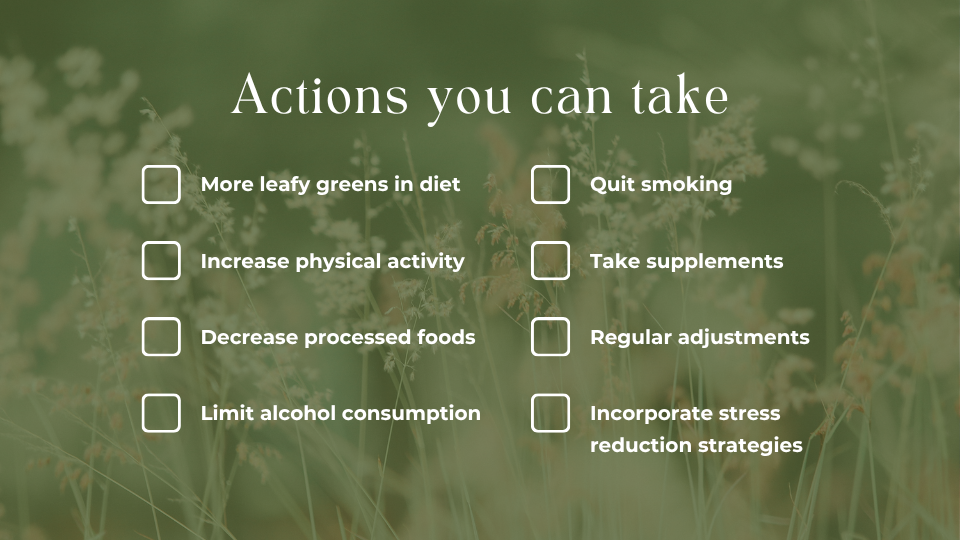
Diet is another primary driver. Processed foods, seed oils such as canola, soybean, and vegetable oils, high sugar intake, excessive salt, and trans fats all promote systemic inflammation. The simplest dietary framework for reducing inflammation is also one of the oldest: eat real food. Fresh fruits, vegetables, quality proteins, and healthy fats from sources like avocado, fish, olive oil, coconut oil, and butter support the body's natural anti-inflammatory processes. If the majority of your diet comes from the perimeter of the grocery store rather than packaged and processed foods from the interior, you will feel the difference relatively quickly.
Toxin exposure adds to the total inflammatory load. Toxins enter the body through food, water, air, and skin. The body works continuously to filter and eliminate them through the liver, kidneys, lungs, and skin. When those detoxification pathways are congested or overwhelmed, toxins accumulate and inflammation rises. Improving the quality of your water through filtration, using an air purifier with a HEPA and carbon filter in your bedroom, and reducing chemical exposure in your food and household products are practical places to start.
☞ Visit our affiliate page for an exclusive discount on My Triad Aer.
Sedentary behavior compounds all of the above. Movement is one of the most powerful anti-inflammatory tools available. It improves circulation, promotes sweating and toxin elimination, reduces cortisol, and supports every system in the body. The target is approximately 160 minutes per week of moderately intense activity, roughly 30 minutes five days per week. It does not need to be intense. It needs to be consistent.
Choose the foods and supplements that fight inflammation directly
Food is the foundation. Green leafy vegetables, fresh fruit, quality proteins, and healthy fats are your primary anti-inflammatory tools. Omega-3 fatty acids from fish oil and flaxseed oil are among the most well-researched natural anti-inflammatories available. Zinc supports immune regulation and cellular repair.
For those who need more targeted support, a quality supplement combining collagen, turmeric, quercetin, bromelain, glucosamine, and chondroitin addresses inflammation from multiple angles simultaneously. These are food-derived, concentrated nutrients. They are not drugs and do not carry the same risks of interaction or dependency. During a flare or period of elevated inflammation, therapeutic dosing at higher amounts for a defined period can produce meaningful results.
Probiotics and a diet high in fiber support the gut microbiome, which plays a central role in immune regulation and inflammatory control. The gut is not a side conversation in inflammation. It is often the starting point.
Make movement and regular care non-negotiable
When the body is inflamed and stiff, movement is the last thing most people want to do. But it is almost always exactly what the body needs. Joints that are not moving are joints that are not getting the circulation and nutrients required for repair. Muscles that are not being used are muscles that are atrophying. The discomfort of getting started is real, but it is temporary. The damage of staying sedentary is cumulative.
Chiropractic adjustments work alongside all of these lifestyle changes by addressing the nervous system directly. When the spine is restricted and the nervous system is not communicating clearly, the body adapts to dysfunction without realizing it. Over time, you stop knowing what normal feels like. Adjustments help restore that communication, reduce tension in the nervous system, and allow the body to begin recovering from the stress patterns that have been building.
Patients who make dietary changes or begin moving more regularly often notice a dramatic improvement in how their adjustments feel and how long they hold. The two approaches are not separate. They reinforce each other.
If your next appointment is not already scheduled, this is your reminder to get it on the calendar. Chronic inflammation does not resolve overnight, but every step in the right direction builds on the one before it. We are here to help you take those steps and to support your body's ability to do what it was designed to do: heal.