Lessons from Move Well: Trigger Points & Self-Massage
How to Loosen Muscle Knots and Relieve Tension and Stress
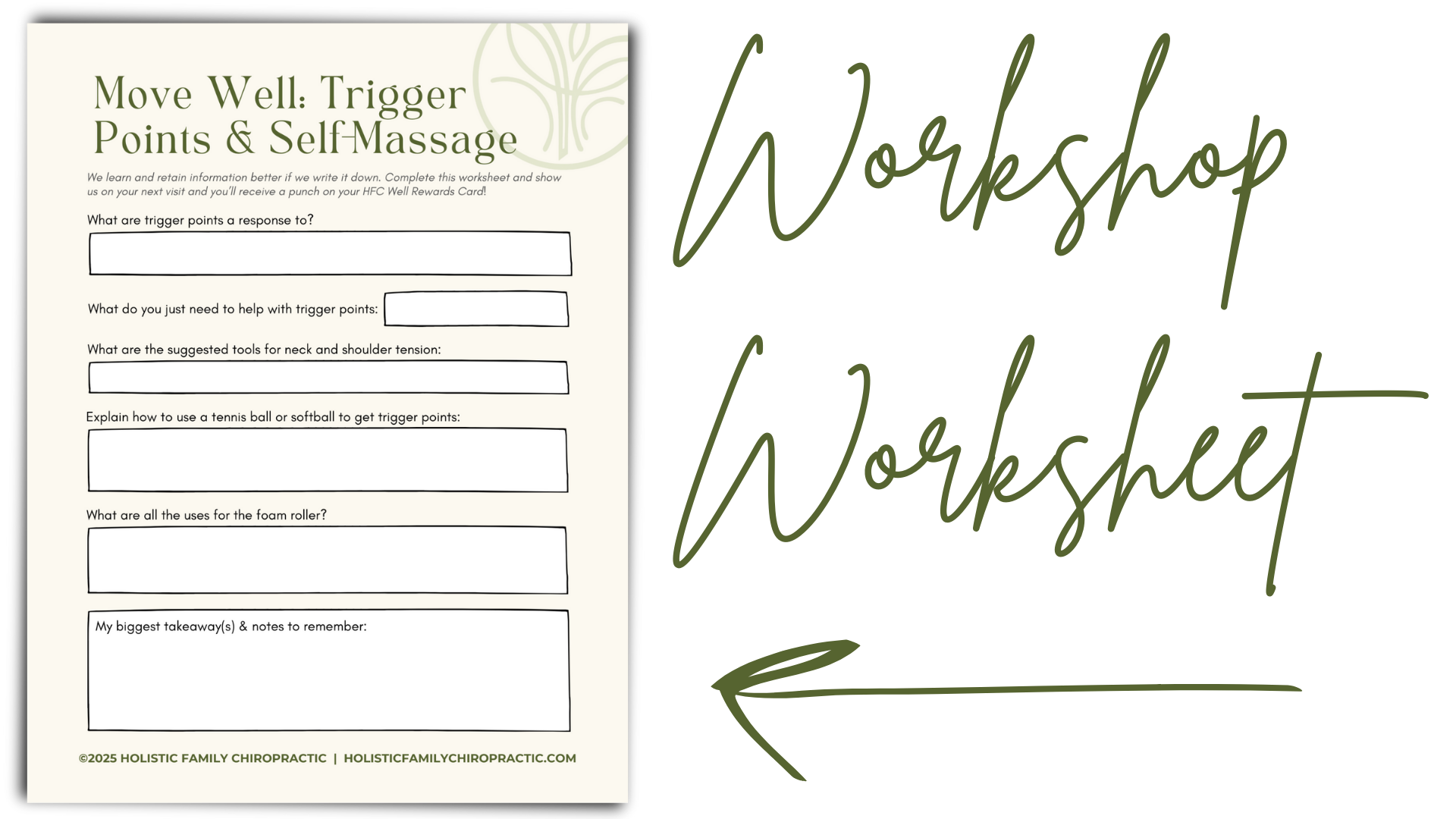
Move Well: Trigger Points & Self-Massage Worksheet
Muscle knots, also called trigger points, are tight, tender areas in your muscles that can cause pain and restrict movement. They often develop from stress, repetitive movements, poor posture, or old injuries.
Understanding what causes these knots and how to address them can help you reduce tension, improve mobility, and feel more comfortable in your daily activities.
Understanding Trigger Points and How They Cause Muscle Knots
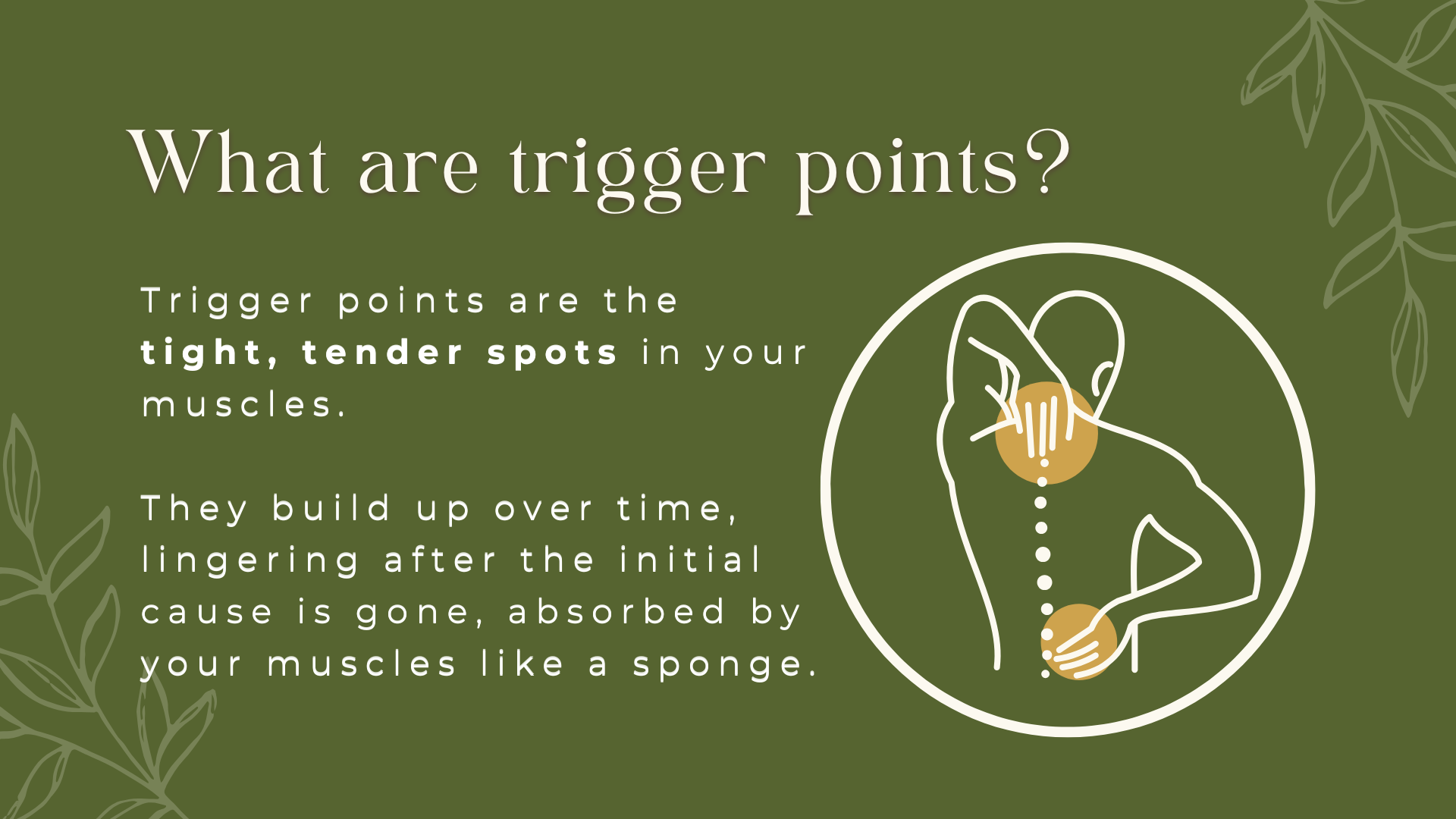
Trigger points are those tight, tender spots in your muscles that just won’t let go. They’re more than just sore areas. They’re signals from your body responding to stress, overuse, or old injuries.
Think of your muscles like a sponge. They absorb tension from long hours at a desk, repetitive movements, emotional stress, and even sleeping in awkward positions. Sometimes, that tension lingers long after the initial cause is gone. That’s why you might still feel stiffness from a weekend hike or a past injury, even weeks later. Recognizing trigger points is the first step toward easing chronic discomfort.
How Poor Posture and Lifestyle Habits Contribute to Muscle Knots
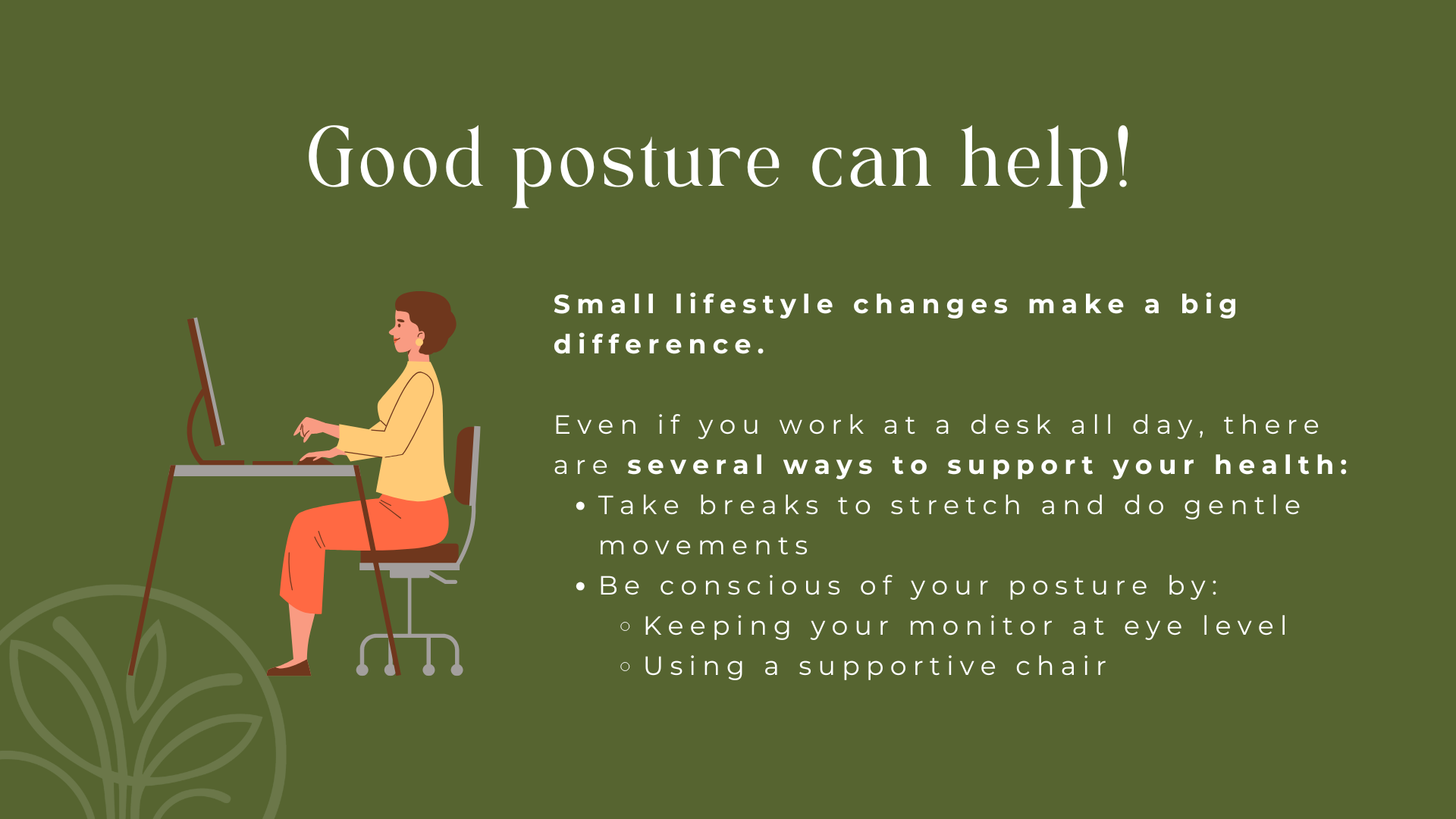
Poor posture is one of the biggest contributors to stubborn muscle knots. Slouching at your desk, craning your neck to look at your phone, or sitting in the same position for hours can all create tension that builds up over time.
And while we can’t magically erase work stress (or the pile of emails waiting for you), small lifestyle adjustments make a big difference. Stretch breaks, conscious posture checks, and gentle movement throughout the day can prevent tension from accumulating. Even subtle changes, like keeping your monitor at eye level or using a supportive chair, can reduce the likelihood of trigger points forming.
Self-Massage Techniques to Relieve Muscle Knots at Home
Dr. Nate shared some practical self-massage techniques to help you tackle those stubborn knots. Here's a quick guide:
Shoulder Release: Use your fingertips to find the bony ridge on top of your shoulder. Walk your fingers towards your neck until you find a tender spot. Apply pressure and hold until the pain dissipates.
Trapezius Tension: For neck and shoulder knots, try using a muscle hook. This tool mimics the pressure of a chiropractor's hands and can help release tension in hard-to-reach areas.
Foam Rolling: A foam roller with knobs can be your best friend. Use it to apply pressure to your neck, shoulders, and back. Roll gently and hold on to the knots until they release.
Tennis Ball Trick: Place a tennis ball between your back and a wall, and lean into it to target knots around your shoulder blades. This technique also works wonders on your glutes.
Calf and IT Band Care: Roll your calves and IT bands with a foam roller to relieve tension. Remember to keep your muscles relaxed as you roll.
These techniques don’t just temporarily reduce pain; they teach your body to relax and respond differently to tension over time.
Preventing Muscle Knots: Strengthening, Alignment, and Holistic Health
Self-massage is powerful, but lasting relief comes from addressing the root causes of tension. Strengthening exercises, proper alignment, and mindful movement are key to preventing knots from returning.
At our clinic, we use home rehab tools and guided exercises to help restore natural posture, support muscle balance, and promote overall vitality. Pairing these strategies with regular chiropractic care can keep your muscles, joints, and nervous system working in harmony so you feel your best every day.
☞ Learn more about our Home Rehab Kit here.
Feeling inspired to take control of your muscle health? Schedule your next appointment with us to get personalized guidance, adjustments, and tools designed to keep your body moving freely. Your wellness journey is ongoing, and we’re here to support you every step of the way.