
Wisdom from Chiro 101: Sciatica
Is your pain sciatica or something else?
Chiro 101: Sciatica Workshop Worksheet
Sciatica affects millions of people each year, yet few truly understand what’s causing the pain or how to relieve it effectively.
Learning the “why” behind sciatica is often the first step toward meaningful, lasting recovery. So, let’s review together how small changes in movement, posture, and spinal alignment can make a significant difference in easing sciatic pain.
What Sciatica Really Is (And Isn’t)
First, let’s clear up a common misconception: not all leg or back pain is sciatica.
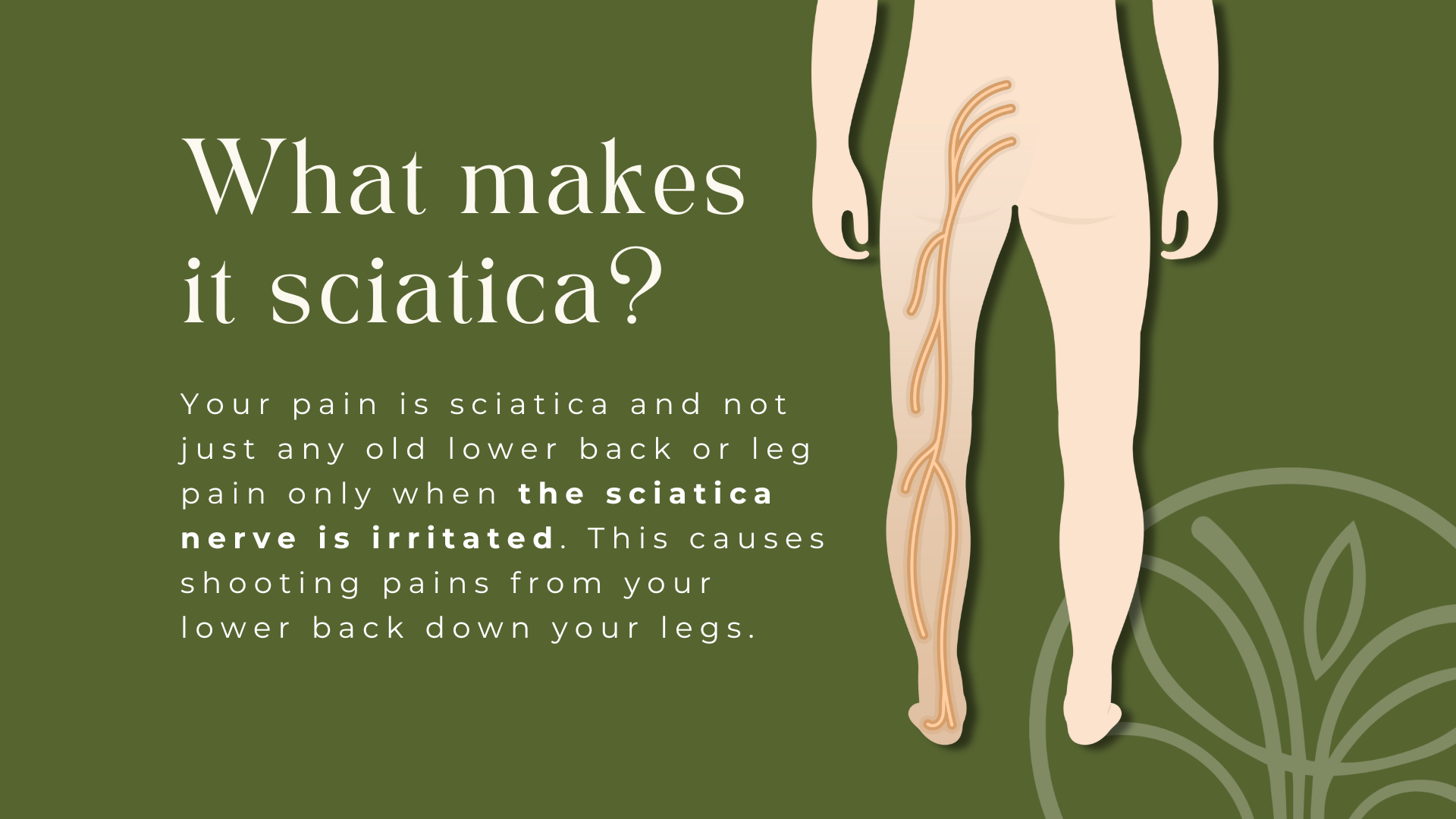
True sciatica occurs when the sciatic nerve is irritated. This nerve, formed by the lumbar nerve roots, travels from your lower back all the way down to your toes. When inflamed, it can cause sharp, shooting pain that radiates down the leg, often reaching the foot.
If your pain is limited to the hip or thigh, it might be something else, like a tight muscle or hip issue. Understanding the difference is key, because the strategies to relieve sciatic pain often differ from general lower-back or hip pain remedies.
Common Triggers That Cause Sciatica Pain
Sciatica often arises when something interferes with the normal function of the sciatic nerve.
Common triggers include:
Spinal degeneration: Natural wear and tear can create pressure points on nerves.
Disc compression: Herniated or bulging discs can press against the nerve roots.
Subluxations (spinal misalignments): Even small shifts in spinal position can irritate nerves and alter movement patterns.
Other contributors can include muscle imbalances, prolonged sitting, and poor posture. The encouraging news is that many of these factors can be addressed with movement, posture adjustments, and regular spinal care, often before pain becomes severe.
How to Prevent Sciatica Flare-Ups
Prevention is always better than a cure.
To protect the sciatic nerve and maintain spinal health:
Do:
Take frequent breaks if you sit for long periods. Even a few minutes of standing or walking each hour keeps discs from compressing.
Stay active with regular stretching and low-impact exercise. Strong, flexible muscles support the spine and reduce nerve irritation.
Pay attention to posture during daily activities (standing, sitting, and even sleeping positions matter).
☞ You can learn more about posture habits here.
Don’t:
Ignore recurring back or leg pain. Early intervention is key.
Overload the spine with heavy lifting without proper technique.
Skip warm-ups or stretches before physical activity.
Three Stretches That Can Help Relieve Sciatic Discomfort
Targeted stretches can relieve tension, improve mobility, and reduce nerve irritation. Here are some of our most loved stretches here in the office:
Piriformis Stretch (Figure Four Stretch): Tight glutes can compress the sciatic nerve. Sit, cross your ankle over your opposite knee, and lean forward with a straight back. Hold 30 seconds; repeat 3–5 times.
Psoas Stretch (Hip Flexor Stretch): Tight hip flexors tilt the pelvis and can irritate the sciatic nerve. Kneel and lunge forward with a straight back, tucking the tailbone under for a deeper stretch.
Hamstring Stretch: Tight hamstrings pull the pelvis out of alignment. Stand with knees slightly bent, back straight, and reach forward. Hold for 30 seconds, breathing deeply.
Adductor Stretch (Bonus!): Inner thigh muscles affect hip mobility and spinal alignment. Spread legs wide, lunge sideways, and feel the stretch in the inner thigh.
Incorporating these stretches regularly can complement spinal care and daily movement habits, helping to prevent flare-ups before they start.
Take Action: Keep Your Spine Healthy
Knowledge is power, but action is where the magic happens. Small, consistent steps in movement, posture, and spinal alignment can reduce pain, improve function, and prevent sciatica from coming back.
Whether addressing sciatica or maintaining overall spinal health, we’re here to help you stay proactive. If it’s been more than 30 days since your last adjustment, let’s get your next appointment scheduled.